

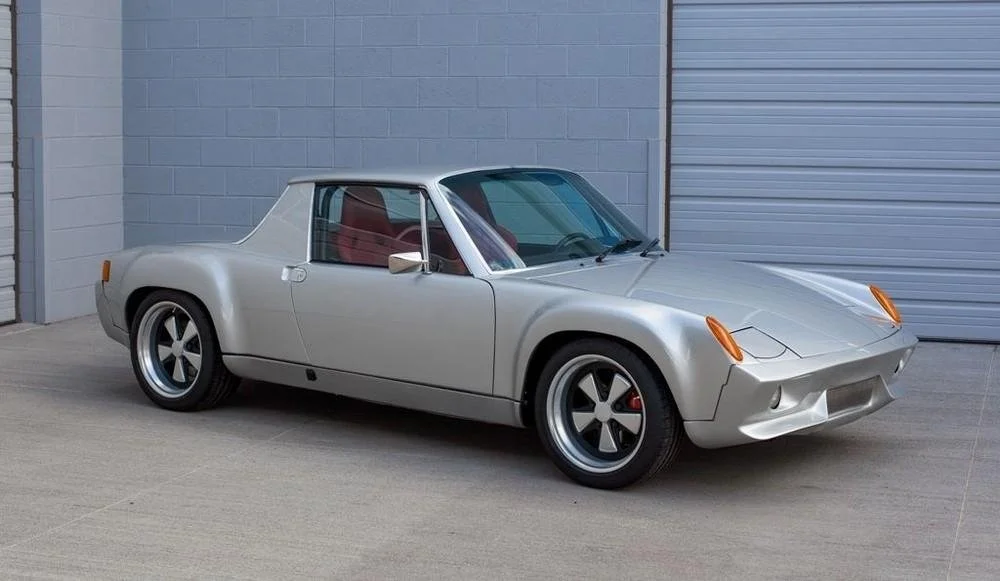
While Porsche 914’s are one of the most misunderstood cars in Porsche’s history. However there was a point that Porsche considered utilizing the 914 platform to create a production Ferrari fighter. Lets explore what would have been the 914’s big brother in the Porsche 916.
From the Affordable 914 to a Serious Performance Car
When the Porsche 914 arrived in 1969, it was designed to give enthusiasts an accessible way into Porsche ownership. The standard four-cylinder models emphasized simplicity and balance, while the more expensive 914/6 added a Porsche flat-six engine for buyers seeking more performance. Porsche soon discovered the chassis could handle much more.
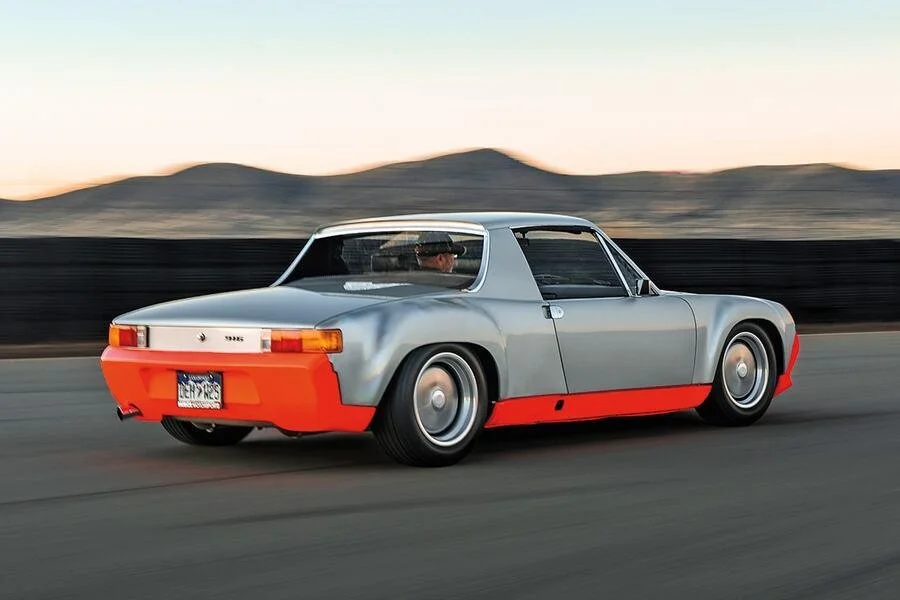
The 914/6 GT had already demonstrated the platform's potential in competition. Its success in endurance racing helped challenge the idea that the 914 was simply an inexpensive alternative to the 911. With its engine positioned ahead of the rear axle, the car offered excellent balance and a natural foundation for more serious performance development.
Ferdinand Piëch, a key figure in Porsche's engineering and racing programs, recognized the opportunity. The idea was to build a more powerful road-going 914 that could compete with established European sports cars while retaining the advantages of its mid-engine layout. What started as a lightweight sports car was about to become something much more ambitious.
What Made the Porsche 916 Different?
At first glance, what was dubbed the 916, looked like a more aggressive version of the familiar 914/6 GT. It kept the same basic silhouette, but Porsche made several key changes that turned it into a more serious high-performance machine. One of the biggest differences was the roof.
Unlike the standard 914, which featured a removable targa panel, the 916 received a fixed steel roof welded into the body. This increased structural rigidity and gave the car a stronger foundation for the added power and grip. It also changed the character of the car, sacrificing the open-air experience in favor of a more focused performance design.
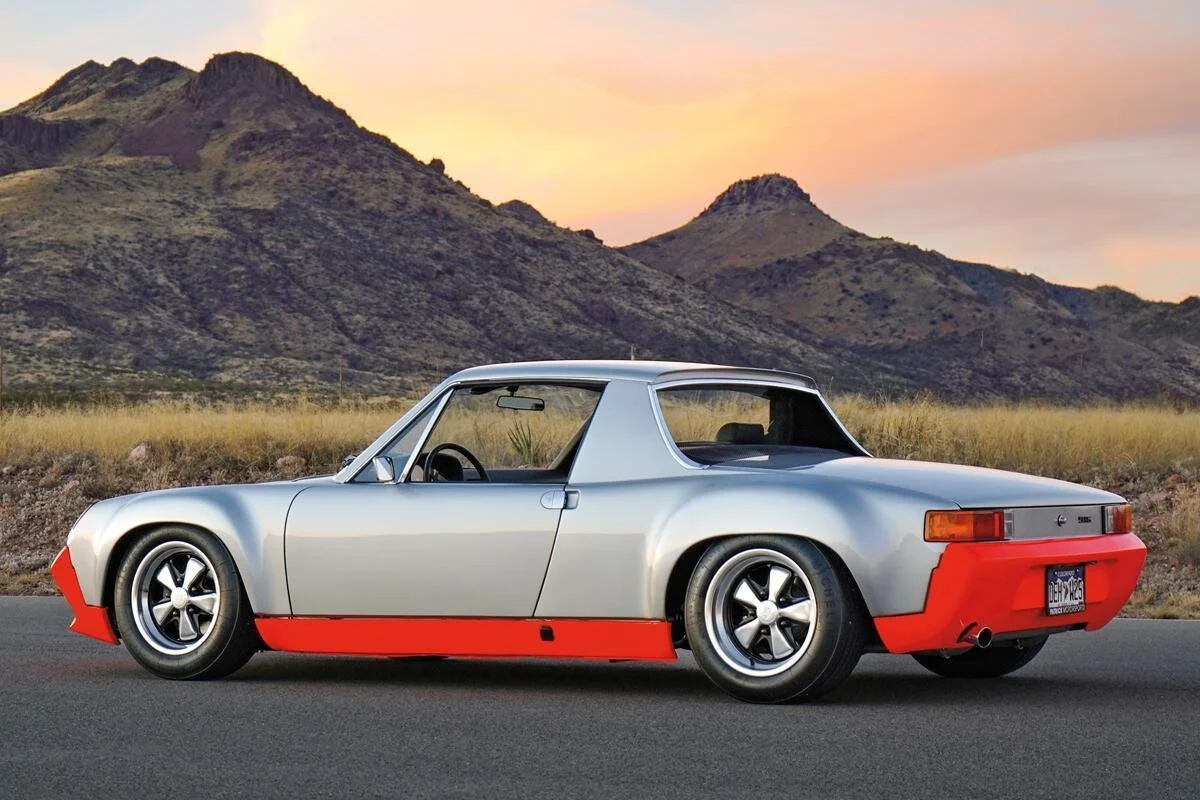
The body received widened steel fenders inspired by the 914/6 GT, allowing for larger Fuchs wheels and wider tires. Porsche also developed unique front and rear bumper treatments, including a more aerodynamic front design with provisions for additional oil cooling.
Underneath, the changes continued with reinforced chassis components and upgraded brakes borrowed from Porsche's higher-performance models. The suspension was revised to better handle the additional power and more aggressive driving demands.
The 916 was not simply a 914 with a bigger engine. Porsche re-engineered the 914 to become a true powerhouse for Porsche.
Flat-Six Power: The Heart of the 916
The biggest transformation happened behind the seats. While the original 914/6 used a 2.0-liter flat-six producing approximately 110 horsepower, the 916 development cars received considerably more powerful engines derived from Porsche's contemporary 911 lineup.
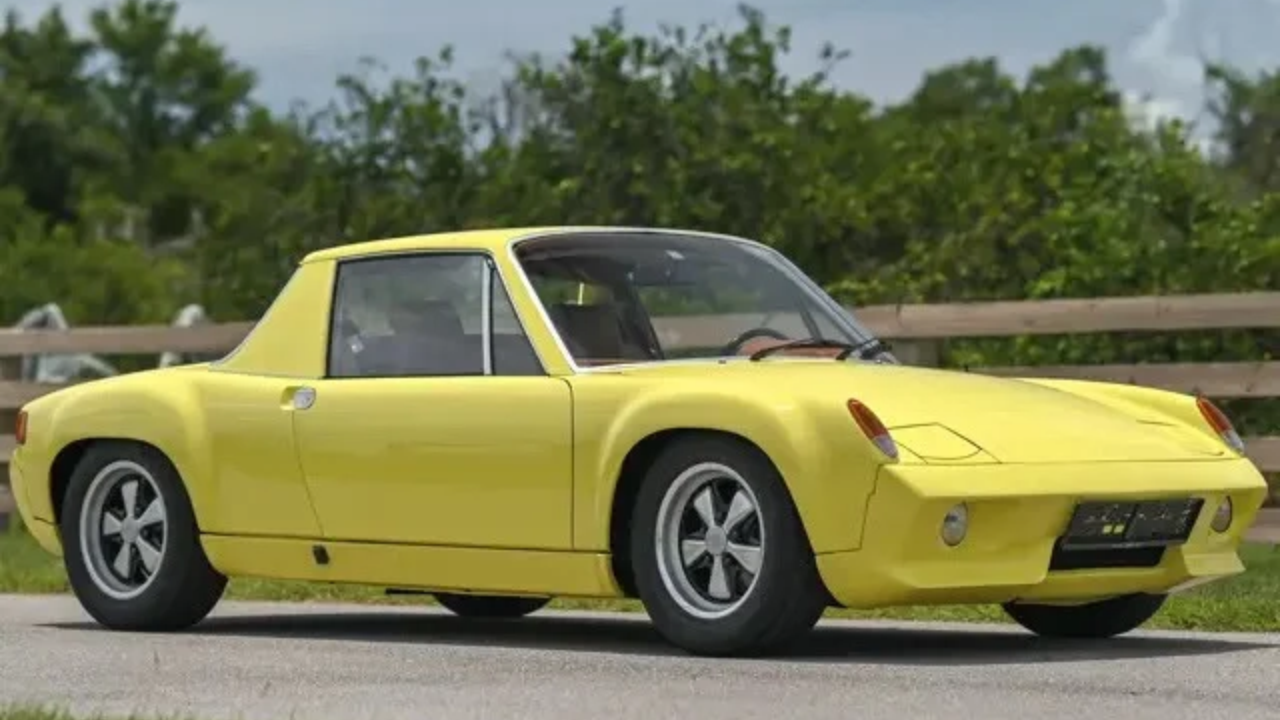
Several examples used the 2.4-liter flat-six from the 911 S, producing about 190 horsepower. Other cars received 2.7-liter flat-six engines associated with the Carrera RS, delivering around 210 horsepower. Those figures may sound modest compared with modern performance cars, but in the early 1970s they were serious numbers for a lightweight mid-engine sports car.
The extra power also required changes to the drivetrain. Porsche adapted its stronger 915 five-speed transmission for the mid-engine layout, replacing the conventional 914 transaxle arrangement with a gearbox better suited to the 916's performance goals.
With its improved power-to-weight ratio, wider tires, and upgraded chassis, the 916 had the potential to challenge much more expensive sports cars. It proved the 914 platform could grow far beyond its original entry-level purpose.
The Original Prototype: A 345-Horsepower Experiment
While the production-intended 916s were impressive, the earliest development car was even more extreme.
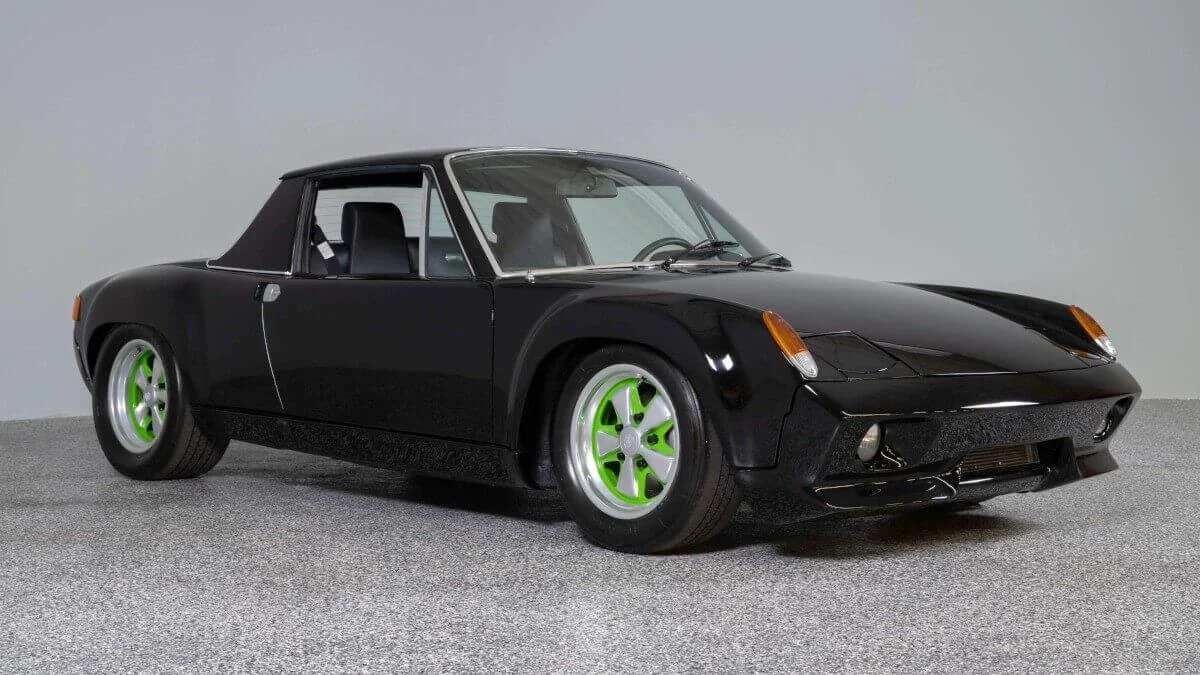
The car incorporated a reinforced chassis, fixed roof, wider bodywork, and upgraded mechanical components to support the engine. It was a much more aggressive interpretation of the concept than the road-oriented development cars that followed.
Brutus showed how much performance Porsche could extract from the 914 platform when it pushed past traditional production limits. The later 916 examples were more restrained, but they carried forward the same basic idea: combine the 914's mid-engine chassis with genuine high-performance Porsche engineering.
Why Porsche Never Put the 916 Into Production
With strong performance, proven chassis potential, and a design that connected the 914 to Porsche's motorsport heritage, the 916 seemed like a logical addition to the lineup. Unfortunately, economics told a different story.
Developing the 916 required considerably more work than upgrading a standard 914. The reinforced body structure, fixed steel roof, specialized components, and expensive flat-six engines made the car costly to manufacture.
Contemporary planning reportedly set the proposed retail price at around 40,000 to 50,000 Deutsche Marks (around 15-20,000 US depending on the era), well above the cost of a 911 S at the time. That created a major problem.
The 914 had originally developed the 914 as an accessible sports car, but the 916 was becoming more expensive than Porsche's established flagship. Even though it offered impressive performance, Porsche would have needed to convince buyers to pay a substantial premium for a car still closely associated with the entry-level 914.
Rising manufacturing costs and shifting economic conditions made the business case even harder. Porsche canceled the project before it could reach regular production. Only eleven factory development examples were completed, making the 916 one of the rarest Porsche road-car projects of its era.
The 916's Legacy Today
Although Porsche never put the 916 in showrooms as a production model, its influence remains easy to recognize. The combination of a lightweight 914 chassis, wide GT-style bodywork, a powerful flat-six engine, and upgraded suspension closely matches what many enthusiasts still try to achieve with their own custom 914 builds.
Today, six-cylinder conversions and GT-inspired restorations remain among the most desirable modifications for the platform. Owners want the same qualities Porsche pursued more than five decades ago: stronger performance without sacrificing the balance and direct driving feel that made the original car enjoyable.
Original 916s have also become valuable collector vehicles because of their rarity and significance in Porsche history. They represent a development path that could have changed the future of the 914 if the project had received approval for production. The fact that enthusiasts keep recreating elements of the 916 formula shows how appealing the original concept really was.
Bringing the Spirit of the 916 to Modern Porsche 914 Builds
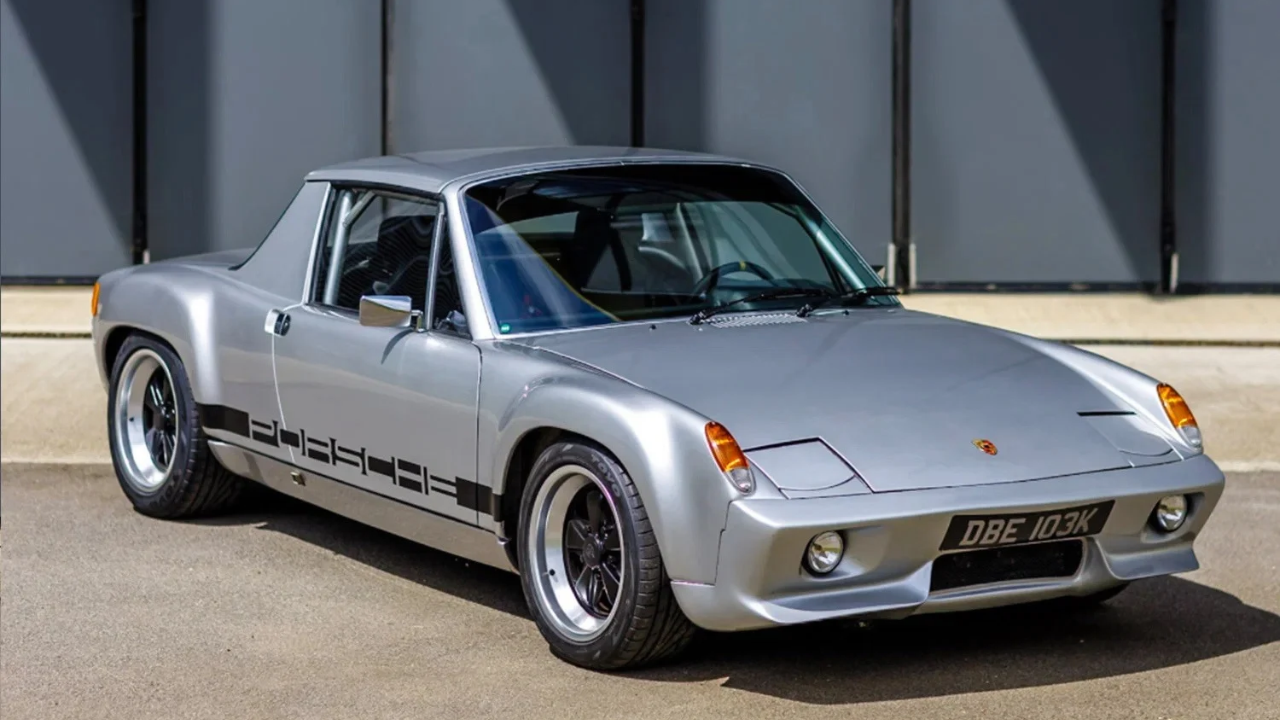
For most enthusiasts, owning one of the eleven original Porsche 916s isn't realistic. However, the ideas behind the car are still relevant to modern 914 restoration and performance projects.
A properly executed GT-style build can capture much of the visual attitude that defined the 916. Wider wheels and tires can improve the car's stance and grip, while a thoughtfully selected flat-six engine can deliver the additional performance Porsche envisioned. Of course, the chassis has to support those upgrades.
The goal is not necessarily to create an exact 916 replica. Rather, to draw on Porsche's original engineering philosophy and apply it to a 914 that can be driven and enjoyed today.
Visit Our Porsche 914 Shop — Just Over an Hour from Salem
Martin Mid Engine
📍 25858 S Elwood Rd, Colton, OR 97017
🕘 Mon–Fri, 9am–5pm
Just northeast of Salem via OR-214 through Silverton. If you're serious about fixing your 914’s rust the right way, we're worth the drive.
Get Your Porsche 914 Repair Quote
Saving a 914 or bringing a full restoration to life requires solid metal and a dependable drivetrain. Share the issues you are facing, and we will provide a straightforward evaluation alongside an actionable plan to resolve them.