

Few things change the look of any car faster than wheels and tires. Porsche 914s are no different. The 914’s small, mid-engined stature features short overhangs and a very clean side profile that, while visually clean, makes wheel fitment matter more than people realize. The wrong wheels can make the car look awkward, heavy, or unfinished. The right setup can completely transform the car without taking away what makes the 914 special and set it apart from the rest.
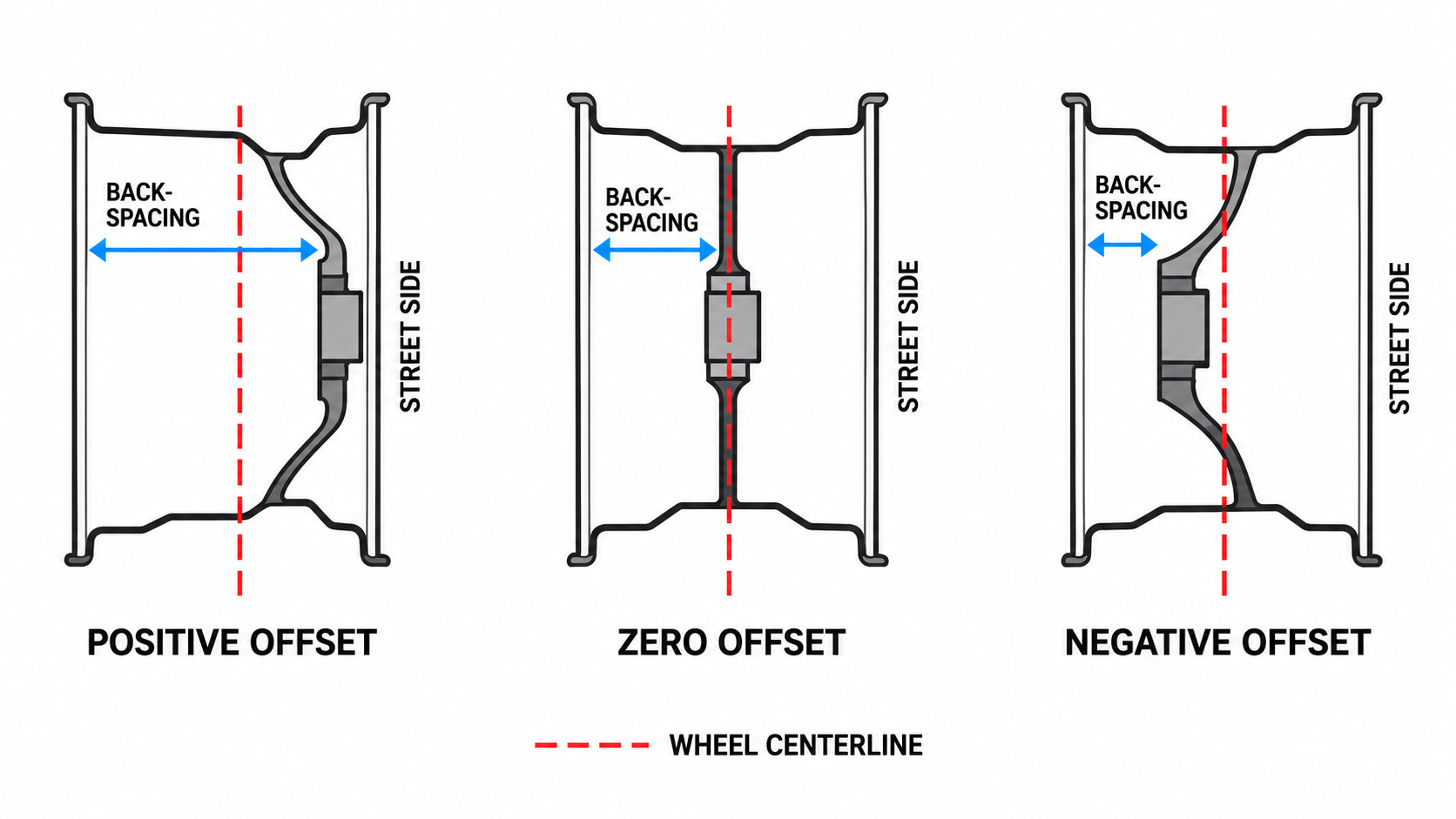
A good wheel and tire package isn't just about looks, however. On a 914, tire fitment affects virtually everything, from steering and suspension travel to traction and acceleration. This car doesn't need massive wheels to look right or drive well. In many cases, the best 914 setups are the ones that respect the size and character of the car.
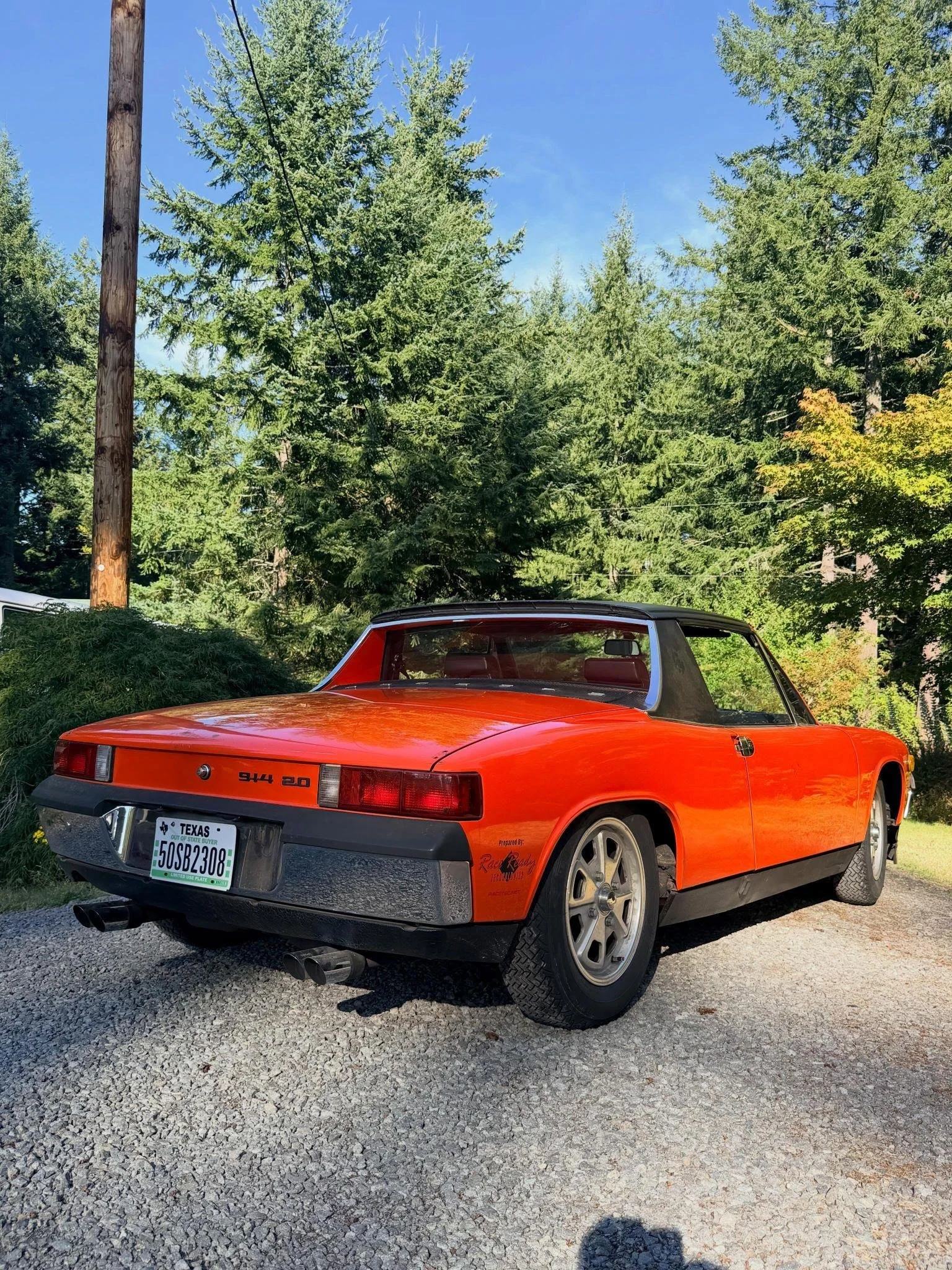
At Martin Mid Engine, we view wheel and tire fitment as part of the complete build. The right setup depends on the body, suspension, brakes, alignment, power level, and the car's intended use. That’s exactly what we'll break down right now.
Front Fitment on a Porsche 914
The front of the 914 is usually more accommodating than the rear, given the aforementioned shape of the car. Since the front suspension shares a lot of its DNA with the 911, there is a little more room to work with, but wheel width, offset, tire diameter, and ride height still matter a ton when choosing wheels and tires.
On a narrow-bodied 914, one of the classic performance-oriented setups is a 6x15-inch wheel. A standard 6x15 Fuchs-style wheel or a Deep 6 with an ET36 offset works well for many narrow-body cars. It keeps the car looking period-correct, preserves steering feel, and avoids making the front end look too heavy.
Some owners consider wider front wheels, but that is where planning becomes important. A 7-inch wheel can work in certain combinations, but a 7R-style wheel may require spacer adjustments and isn't always the best front choice compared with a standard 6- or 7-inch setup.
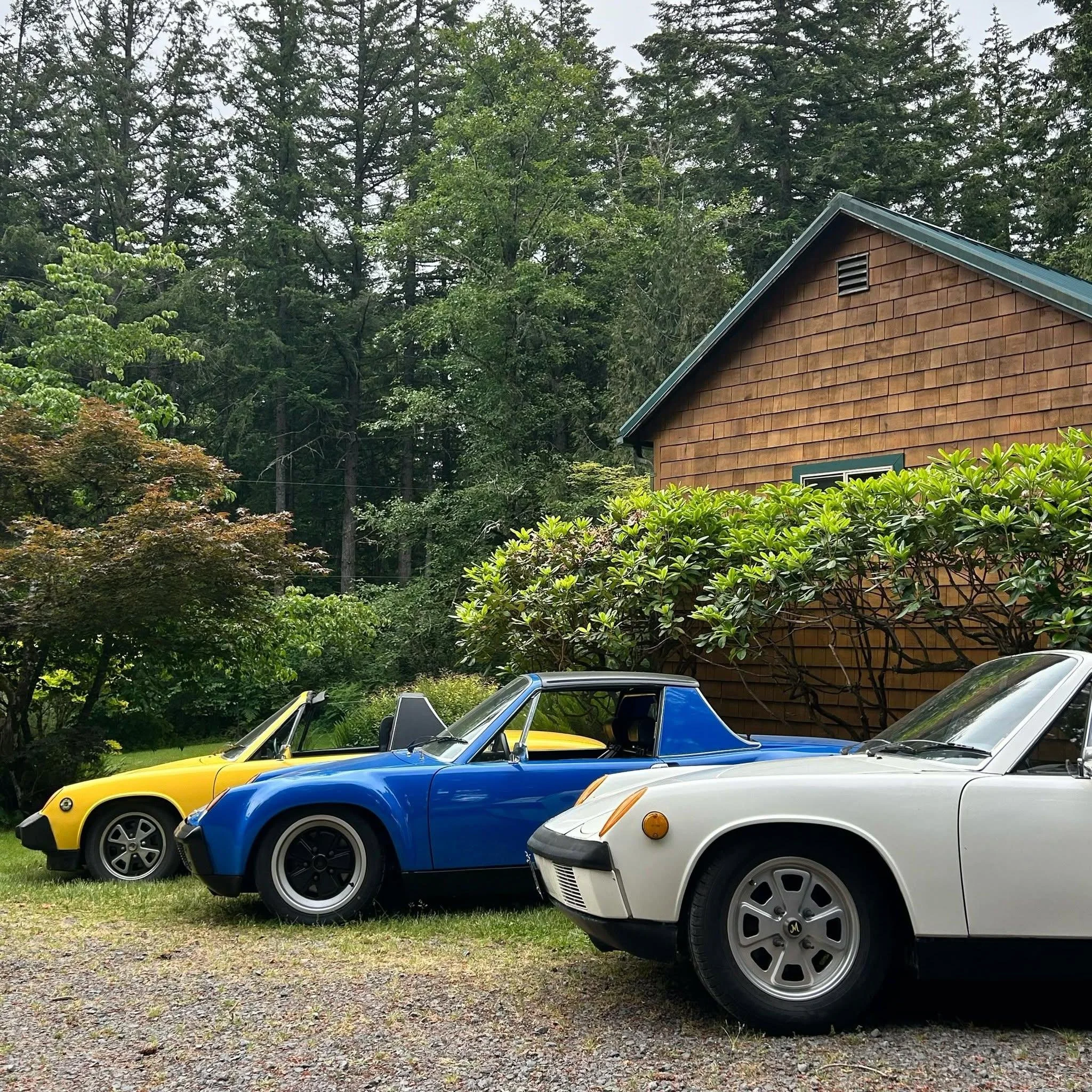
On a widebody 914 with GT flares, the front fitment opens up. Once you install steel GT flares, a standard 911-offset 7x15-inch wheel can work well, and some builds can even run an 8x15-inch front wheel. Tire sizing becomes the bigger concern here. If the tire is too tall or the car is too low, clearance around the lower valance area can become an issue under full suspension load. That is why you should choose the front setup around the actual car, not just the wheel size on paper.
Rear Fitment Is Where the 914 Gets Tricky
The rear of a narrow-bodied 914 is one of the more difficult fitment areas in the classic Porsche world. The rear fenders are shallow, and the inner clearance to the trailing arm is extremely tight. To fit any kind of tire on the back requires the wheel offset to be virtually perfect.
On regular 914s, a standard 7x15-inch Fuchs with ET23.3 offset usually sits too far outward and sticks past the fender. That is why the 7R-style wheel is such a popular solution for people trying to fit more wheel under a stock rear quarter. With an ET49 offset, the 7R pushes more of the extra width inward.
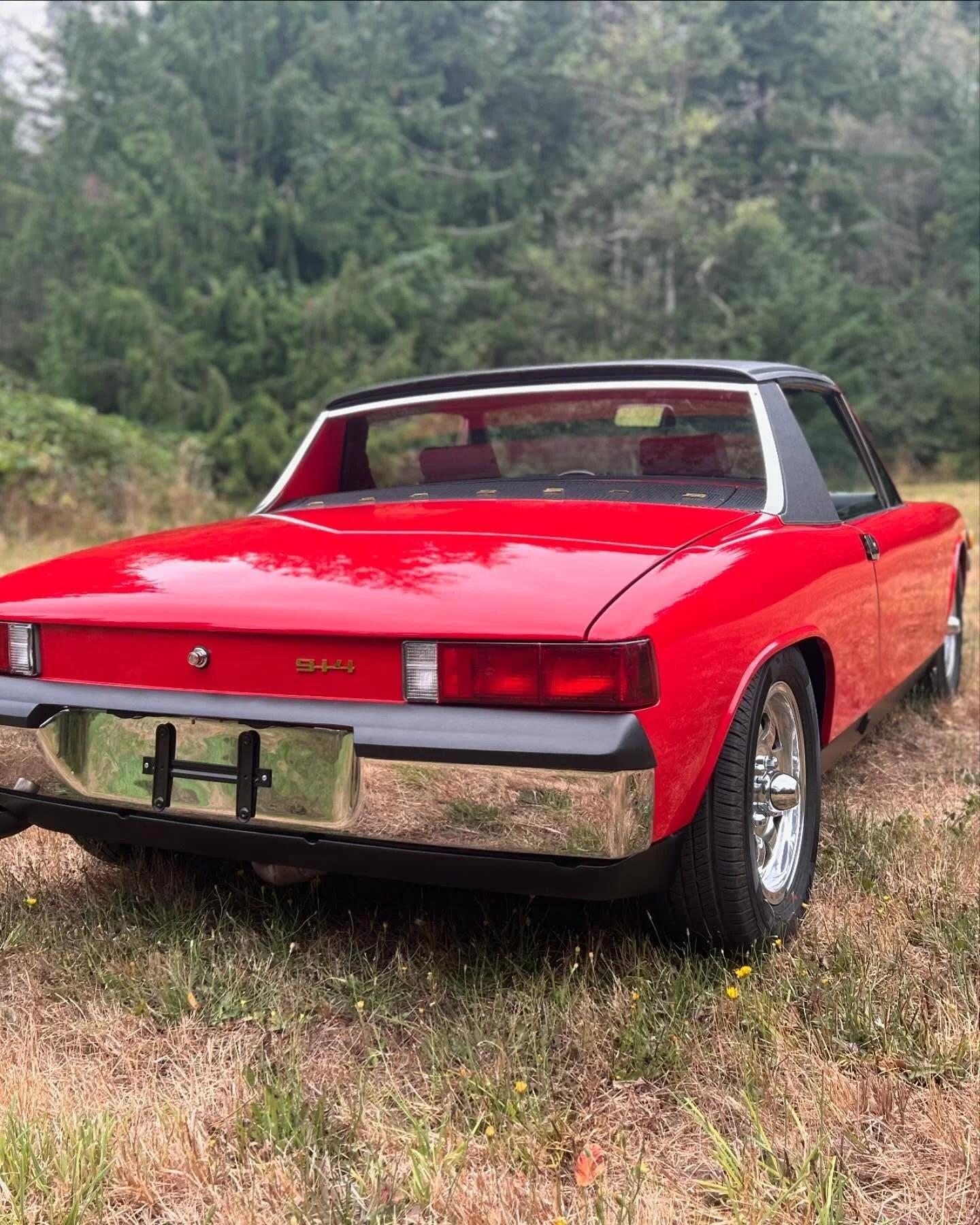
Even then, the fit is tight. In many cases, you need a 3/8-inch to 1/2-inch spacer to keep the tire away from the inner fender well or trailing arm area. The rear wheel well has little extra room, so every measurement matters. For enthusiasts staying with a 4-lug 4x130 setup, VTO-style Minilite-inspired wheels can be a great option. An ET38 wheel in that style gives the car a period-correct look while working well with the narrow 914 body. It is a good example of a wheel that fits the car’s personality instead of trying to overpower it.
The main point is simple: narrow-body rear fitment on a 914 is not something to guess at. The car needs to be measured, the tire needs to be considered, and the final setup needs to leave room for suspension movement.
GT Flares and Widebody Fitment
The factory 914-6 GT look is one of the most iconic versions of the car, and the wheel fitment is a major part of that stance. A common GT-style setup uses a 7x15-inch front wheel with an ET23.3 offset and an 8x15-inch rear wheel with around an ET10.6 offset. That combination gives the car a wider footprint while still keeping the proportions tied to the original GT look.
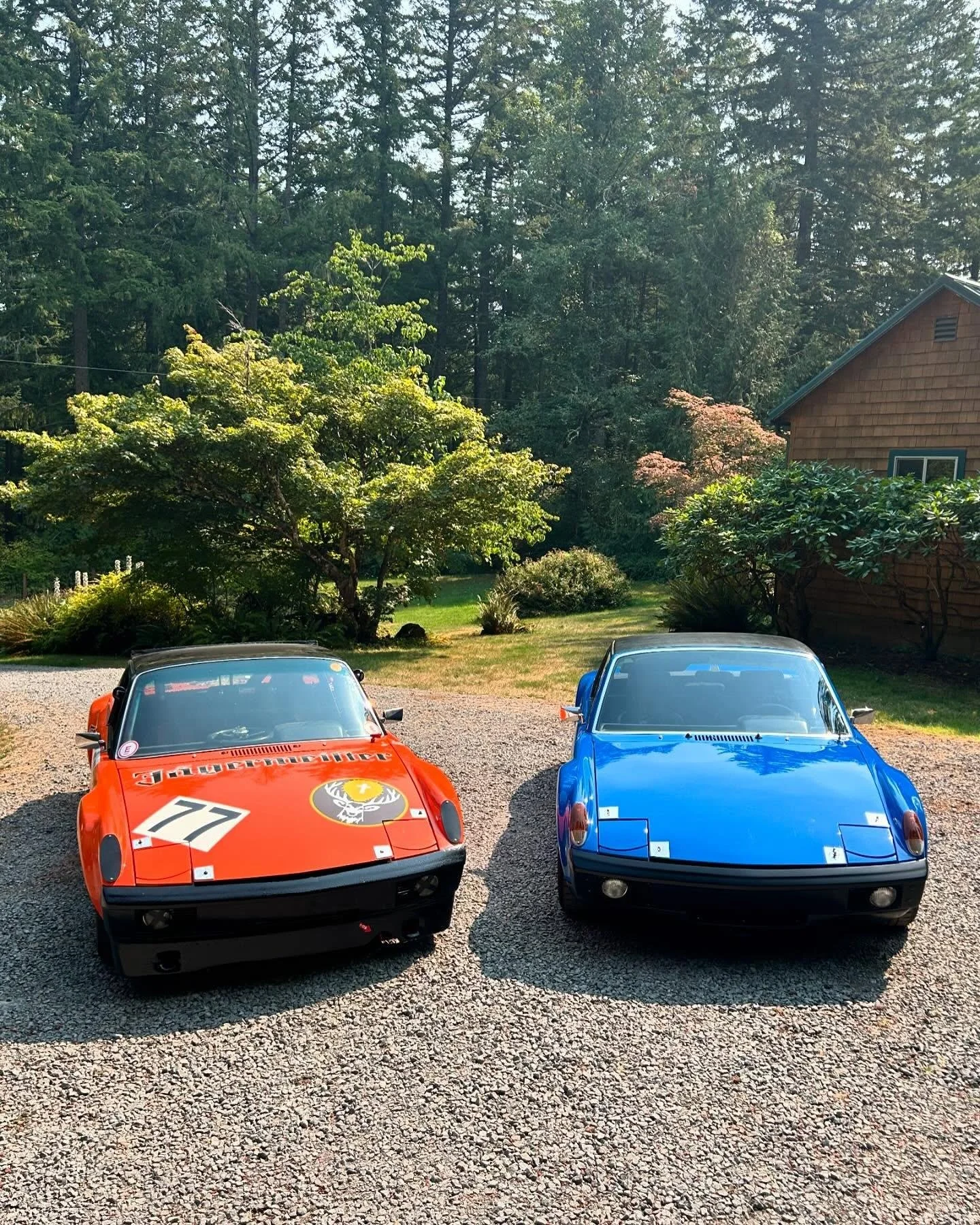
For a track-focused car, an 8x15-inch rear wheel with a sticky tire can be a strong setup. It gives the car more mechanical grip without completely overwhelming the chassis. Some builds can fit a 9x15-inch rear wheel with around an ET3 offset, but that is where planning becomes critical.
If rear flares are being added to the car, wheels and tires should be selected before the flare placement is finalized. That gives the builder a chance to set the flare around the actual package instead of trying to make the wheel fit after the bodywork is already done.
The front of a GT-flared car also needs attention. With 7x15-inch front wheels, the car can sometimes look narrow in the front track compared with the rear. Some owners use a 20mm spacer to push the front wheels and tires farther out, but they should make that decision while keeping scrub radius, steering feel, and suspension geometry in mind.
A GT-flared 914 should look balanced from every angle. The wheels should not look buried, and they should not look like they are fighting the body. The flares, tire width, ride height, and suspension travel all need to work together.
If you have a 914 that you are considering adding fender flares to, please check out one of our previous blog posts covering how we do exactly that right here.
Modern Tires vs. Vintage Appearance
Tire choice is just as important as wheel choice. A modern performance tire can dramatically improve grip, braking, and steering response. That can be a major benefit, especially on cars with upgraded suspension, better brakes, or more power. But the tire still needs to fit the character of the build.
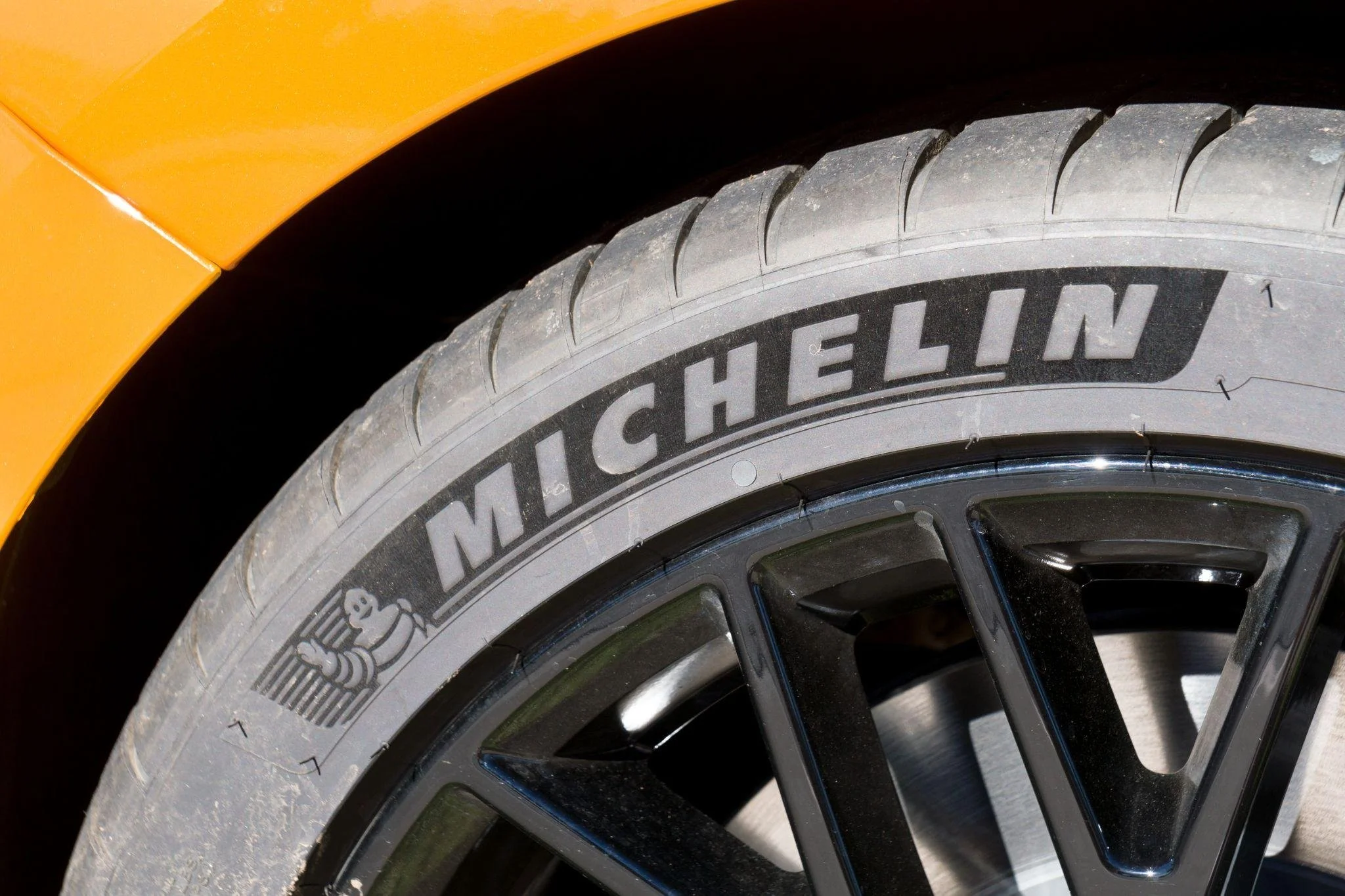
A very modern, low-profile tire may work on an aggressive restomod, but it can look out of place on a more vintage-inspired 914. On the other hand, a tire chosen only for appearance may not give the car the performance or confidence the owner wants.
The best choice usually balances both. A 914 should have a tire that supports how the car will be driven while still respecting the proportions of the body. Sidewall height, tread width, overall diameter, and wheel design all affect the final look.
This is why stance is more than lowering the car and adding wider wheels. It is the relationship between the wheel, tire, body, ride height, and purpose of the build.
Matching Fitment to the Build
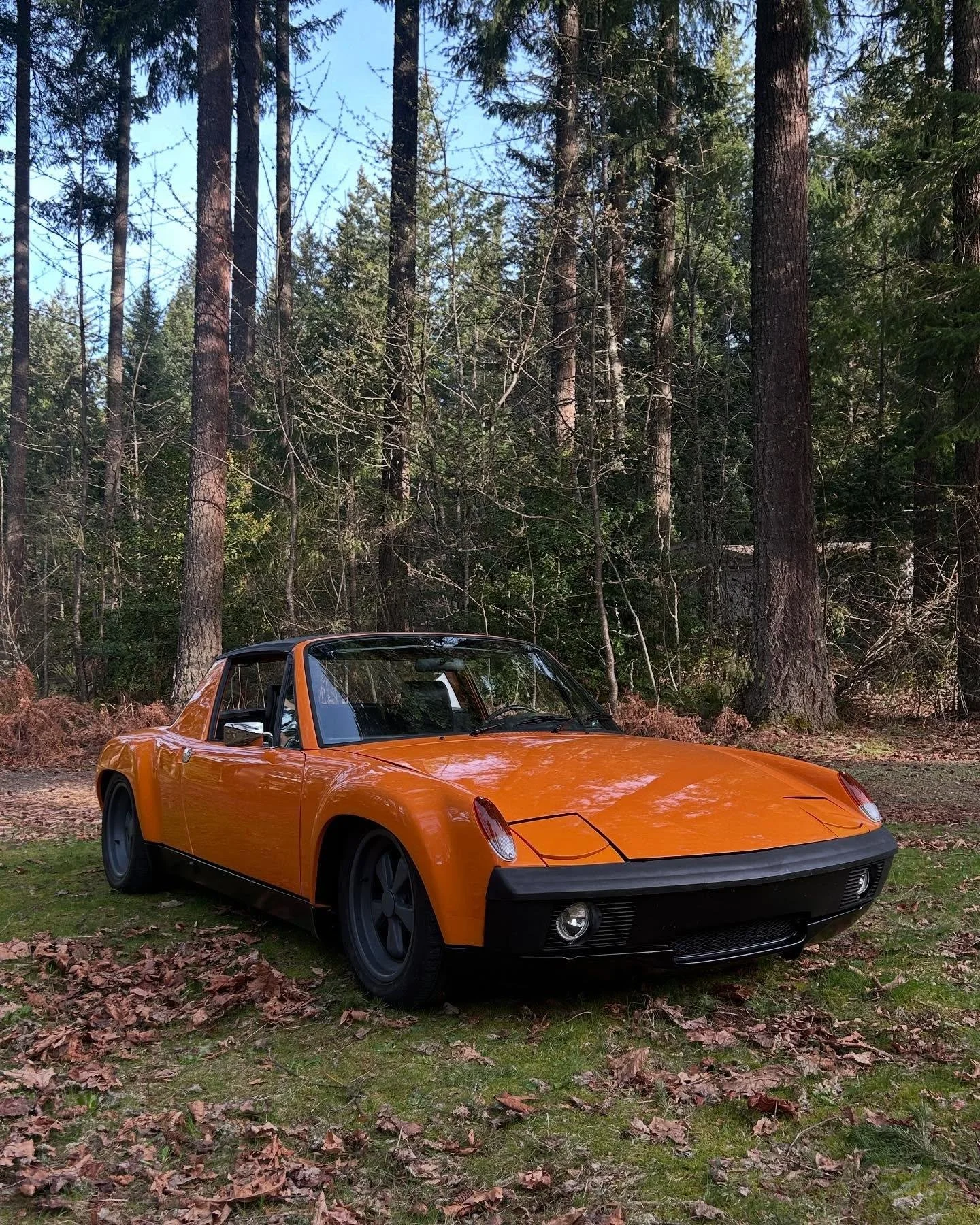
The right wheel and tire setup depends on the type of 914 being built. A clean factory-style 914/4 may be best with a simple four-lug setup and period-correct tire sizing. A restored 914/6 may call for a more traditional Porsche five-lug wheel package. A six-cylinder conversion may need more tire, more brake clearance, and a stronger stance. A GT-flared build can support a much more aggressive setup, but only if the bodywork and suspension are planned correctly.
That is the key. Fitment should match the car’s purpose. A street driver should feel light, responsive, and comfortable. A GT build should look muscular and have the grip to back it up. A track-focused car may prioritize tire width and performance over vintage appearance. A period-correct build may focus more on preserving the original feel. None of those paths are wrong. The mistake is choosing wheels and tires without considering the whole car.
Visit Our Porsche 914 Shop — Just Over an Hour from Salem
Martin Mid Engine
📍 25858 S Elwood Rd, Colton, OR 97017
🕘 Mon–Fri, 9am–5pm
Just northeast of Salem via OR-214 through Silverton. If you're serious about fixing your 914’s rust the right way, we're worth the drive.
Get Your Porsche 914 Repair Quote
Saving a 914 or bringing a full restoration to life requires solid metal and a dependable drivetrain. Share the issues you are facing, and we will provide a straightforward evaluation alongside an actionable plan to resolve them.