

Top Interior Pieces to Change the Feel of Your Porsche 914
When it comes to owning a classic car, most enthusiasts focus on performance upgrades like suspension and powertrain, while others prioritize paint and wheels to perfect the look. What often gets overlooked, however, is the interior and weatherstripping—two areas that have a major impact on both comfort and long-term preservation. The Porsche 914 is no exception.
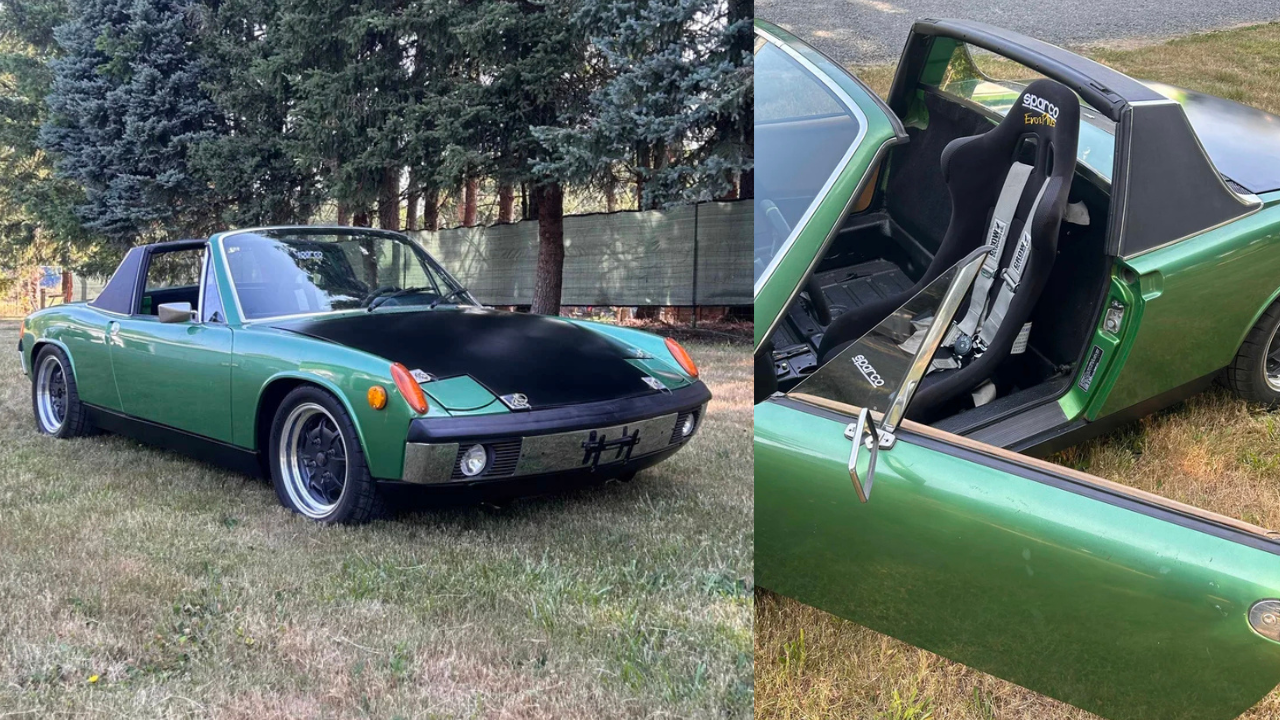
In this post, we’ll walk through the key areas of the 914’s interior and sealing system, what commonly fails over time, and how addressing these components can dramatically improve the driving experience, protect the chassis, and elevate the overall quality of the car.
The last Porsche 914 models rolled off the assembly line in the 1970s. That means even the newest original interior components are now over 50 years old. As a result, interior plastics become dry and brittle, rubber seals harden and lose their ability to keep out water and air properly, and seats show decades of wear, fading, and deterioration.
Seats
By far the most important interior component is your seat. At the end of the day, if you’re not comfortable, it doesn’t matter how much power the car makes, how good it looks, or how well it handles—you’re not going to enjoy driving it.
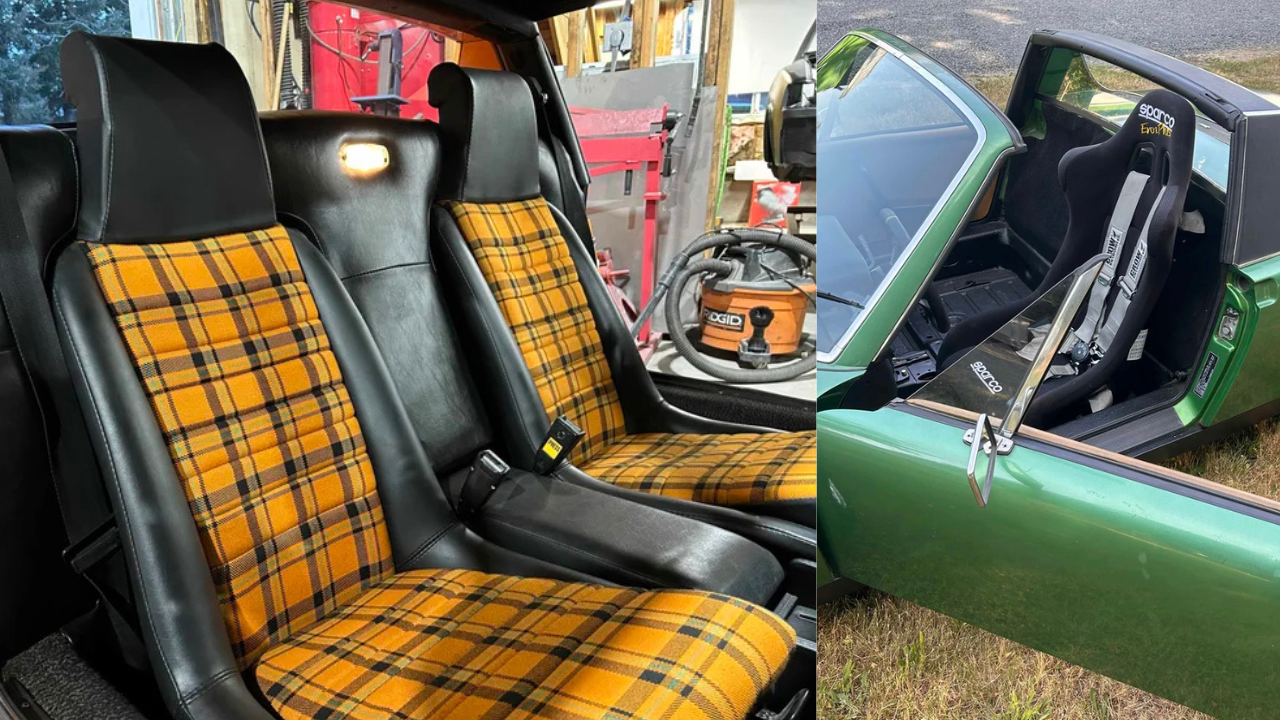
There are a few solid options when it comes to improving worn-out factory seats. The first is restoring your original seats. A quality upholstery shop can rebuild the foam and recover it, bringing it back to like-new condition. For those who prefer a hands-on approach, seat covers, foam, and many of the necessary components are readily available from 914 parts suppliers.
For those looking for a firmer or more aggressive feel, aftermarket seats are also an option, such as Sparco or Recaro seats. However, fitment can be a challenge in a 914, and poorly fitting seats can reduce headroom or interior space. Choosing the right setup is key to maintaining both comfort and usability.
Weather Seals
One of the most impactful upgrades you can make—both for comfort and preservation—is replacing the weatherstripping. Most 914s still have original or decades-old seals, which means they no longer properly keep out water or wind.
We’ve all experienced cars that leak during a storm or have excessive wind noise at speed. In a 914, this is often the result of hardened, worn-out seals. Replacing all major weatherstripping—including the vent windows, windshield, rear window, side windows, and doors—can completely transform how the car feels on the road.
It’s not the most glamorous job, but it’s one of the most important. Proper sealing not only improves comfort, but also helps prevent water intrusion that can lead to interior damage and rust.
Carpet and Insulation
Closely tied to weatherstripping is the condition of the carpet and floor insulation. In many original or lightly restored cars, these materials have deteriorated significantly over time and can hold moisture, odors, and debris.
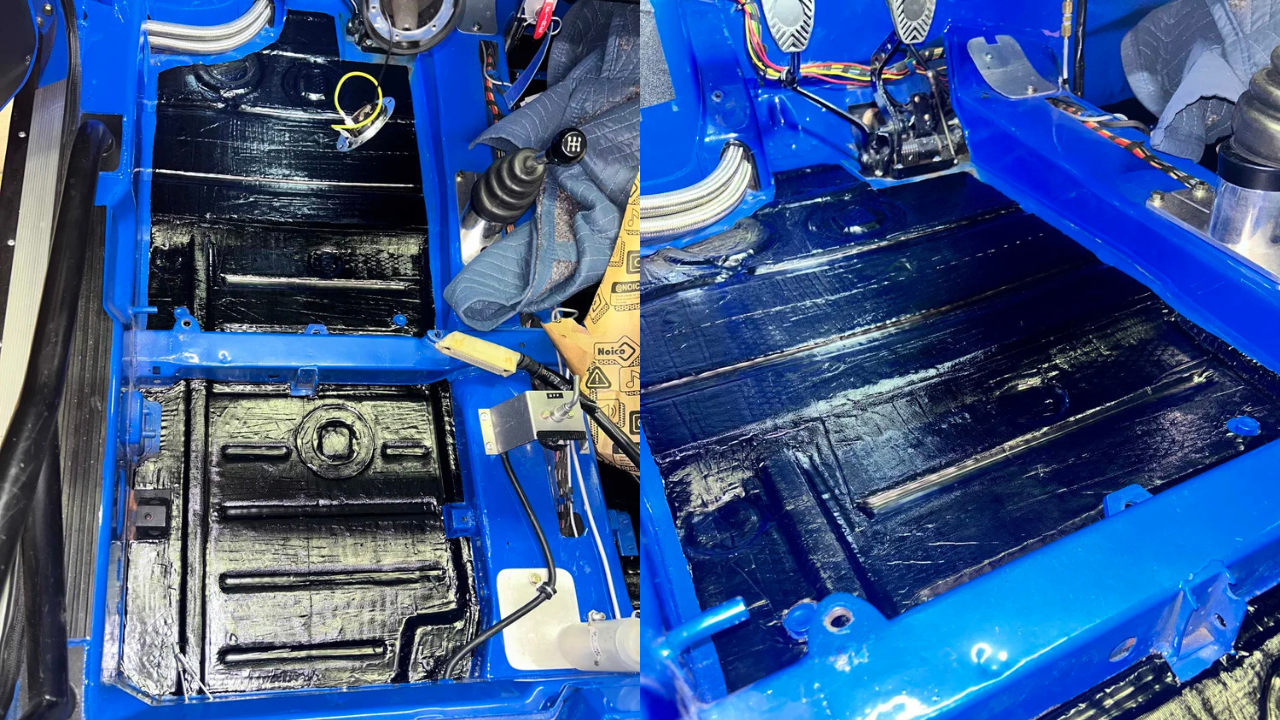
The best approach is to remove everything down to the bare floor and start fresh. Installing a new carpet kit along with modern sound deadening and heat insulation can dramatically improve the driving experience.
Sound deadening helps reduce road noise, while heat insulation limits temperature transfer from the road and drivetrain. Together, they make the car quieter, more comfortable, and far more enjoyable to drive—especially on longer trips.
Visit Our Porsche 914 Shop — Just Over an Hour from Salem
Martin Mid Engine
📍 25858 S Elwood Rd, Colton, OR 97017
🕘 Mon–Fri, 9am–5pm
Just northeast of Salem via OR-214 through Silverton. If you're serious about fixing building the perfect 914, we are the shop for you!